
Vehicular Assault in Tennessee
Nashville Vehicular Assault Defense Lawyers
When alcohol or drugs are involved in a serious crash, prosecutors don’t just stop at a DUI. A collision that causes injury can quickly turn into vehicular assault under T.C.A. § 39-13-106, reckless endangerment under T.C.A. § 39-13-103, and related charges—all stemming from the same incident. Suddenly you’re not just facing a driver’s license issue and fines, but potential felony convictions, prison time, and a permanent violent record.
At Freeman & Fuson, attorneys Mark Freeman and Joseph Fuson have spent decades examining motor vehicle accidents and defending people accused of crimes arising from those crashes. That experience—both in DUI defense under T.C.A. § 55-10-401 and in analyzing collision evidence—gives our firm a critical advantage when you’re facing vehicular assault charges.
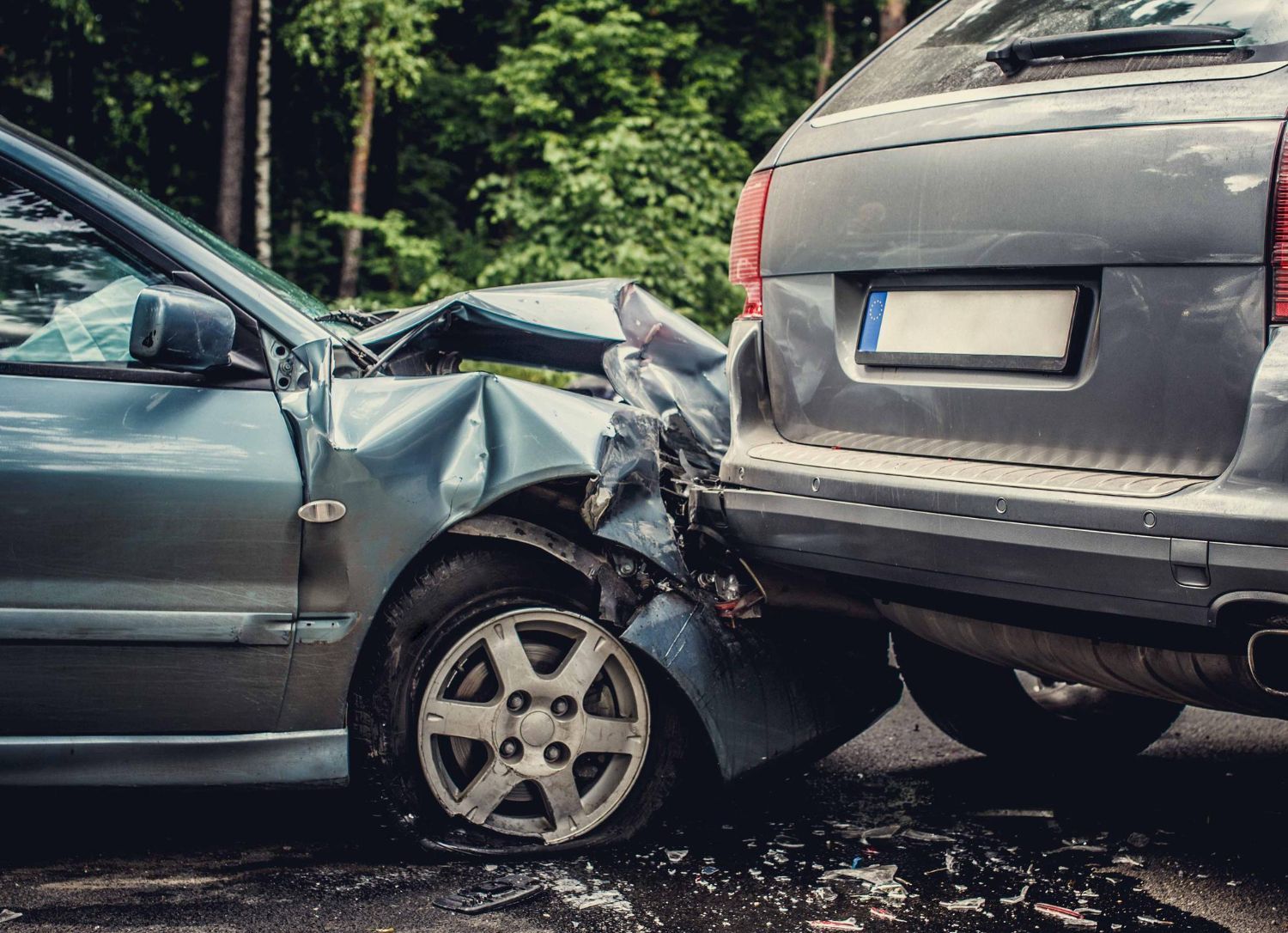
What Is Vehicular Assault in Tennessee?
Vehicular assault is a
felony offense in Tennessee. Under
T.C.A. § 39-13-106, a person can be charged with vehicular assault when:
- They cause serious bodily injury to another person
- By the intoxicated operation of a motor vehicle (alcohol and/or drugs)
“Serious bodily injury” is a defined legal term in Tennessee (see T.C.A. § 39-11-106) and is often a major point of dispute in these cases.
Vehicular assault is often charged
on top of:
- DUI – T.C.A. § 55-10-401
- Reckless endangerment – T.C.A. § 39-13-103
- Leaving the scene of an accident – T.C.A. §§ 55-10-101–102
- Other traffic or criminal offenses
Because “serious bodily injury” and intoxication are key elements, these cases almost always involve:
- Emergency medical records
- Crash reports
- Blood or breath test results
- Witness statements
- Accident reconstruction
The State will try to show not only that someone was hurt, but that your driving and alleged impairment caused those injuries.
Penalties for Vehicular Assault
Vehicular assault under
T.C.A. § 39-13-106 is a
felony, and the consequences can be life-changing. Depending on the specific facts and any prior history, you may be facing:
- Substantial prison time (often as a Class D felony, with enhanced exposure in certain circumstances)
- Lengthy driver’s license revocation under Tennessee DUI and vehicular assault sentencing provisions
- Large fines and court costs
- Mandatory alcohol/drug treatment or classes
- Restitution to injured victims
- Probation with strict conditions
- A permanent violent felony record
In addition to criminal penalties, a conviction can impact:
- Employment (especially where driving or professional licenses are required)
- Insurance rates and coverage
- Professional licensing and background checks
- Immigration status for non-citizens
These are not charges you can “plead out” without serious long-term consequences. You need a defense strategy built around
the science of impairment, the legal definitions in Title 39 and Title 55, and the facts of the crash.
How Vehicular Assault Is Charged Alongside DUI & Reckless Endangerment
In many serious crashes involving alcohol or drugs, police and prosecutors will stack charges, such as:
- DUI – driving while impaired under T.C.A. § 55-10-401
- Vehicular assault – causing serious bodily injury while impaired under T.C.A. § 39-13-106
- Reckless endangerment – placing others in imminent danger of serious bodily injury under T.C.A. § 39-13-103
This gives the State leverage in plea negotiations and sentencing. It also increases your exposure: even if one count is reduced, others may still carry heavy penalties.
A strong defense attacks each piece:
- Were you actually impaired under the legal standards in T.C.A. § 55-10-401?
- Did the State properly prove “serious bodily injury” as defined in T.C.A. § 39-11-106?
- Did your driving truly cause the crash, or were other drivers, road conditions, or mechanical issues involved?
- Was your conduct really “reckless” under T.C.A. § 39-13-103, or are prosecutors overcharging?
Our job is to separate out those issues, expose weaknesses, and fight to reduce or dismiss charges whenever possible.
How Prosecutors Build Vehicular Assault Cases
To understand how to defend these cases, it helps to know how they’re built.
In a typical vehicular assault case, the State may rely on:
Blood or Breath Tests
Arguments between friends, neighbors, or coworkers
Field Sobriety Tests
Roadside exercises, officer observations, bodycam footage
Crash Scene Evidence
Skid marks, vehicle damage, debris patterns, photographs
Event Data Recorders
(“Black Box” Data) - speed, braking, steering inputs
Medical Records
Documentation of injuries and treatment to support “serious bodily injury”
Witness Statements
From other drivers, passengers, or bystanders
Any one of these pieces can be flawed:
Blood draws may be delayed, contaminated, improperly stored, or inconsistent with implied consent procedures in T.C.A. § 55-10-406.
Field sobriety tests may be given on uneven surfaces or to injured, shocked, or concussed drivers.
Crash reconstructions can be based on assumptions, not sound physics or data.
Police may jump prematurely to the conclusion that “alcohol caused the crash” instead of fully exploring other causes.
That’s where a defense team with deep experience in motor vehicle accidents becomes essential.

Defenses to Vehicular Assault Charges
Every case is different, but common defense strategies include:
1. Challenging the Stop and Investigation
If the initial stop, detention, or arrest was unconstitutional, key evidence—like field sobriety tests or statements—may be suppressed.
We examine:
- Why you were stopped in the first place (traffic basis, reasonable suspicion)
- How long you were detained before arrest or blood draw
- Whether you were properly advised of your rights and implied consent obligations under T.C.A. § 55-10-406
2. Attacking Blood and Breath Evidence
Vehicular assault is often built on a BAC number tied to DUI laws in Title 55.
We look closely at:
- Timing of the test versus the time of driving
- Chain of custody of blood samples
- Lab procedures and potential contamination
- Medical issues (shock, blood loss, medications) impacting results
- Rising BAC arguments (your alcohol level may have increased after driving)
3. Disputing “Serious Bodily Injury”
The State must prove that the injuries meet the legal definition of “serious bodily injury” in T.C.A. § 39-11-106.
We analyze:
- Medical records and imaging
- Prognosis and recovery
- Whether injuries were serious, moderate, or minor
- Whether the alleged injuries were pre-existing or unrelated
4. Challenging Causation
Even if there was alcohol in your system, that doesn’t automatically mean you caused the crash.
We may:
- Use accident reconstruction experts
- Examine road conditions, visibility, lighting, and signage
- Investigate the conduct of other drivers (speeding, distraction, violations of Title 55 rules of the road)
- Look at mechanical issues, weather, or sudden emergencies
5. Mitigation & Alternative Outcomes
In some cases, the best strategy combines legal challenges with strong mitigation.
Such as:
- Treatment for alcohol or substance issues
- Counseling and rehabilitation efforts
- Restitution and victim-focused resolutions
- Negotiated reductions to lesser offenses (for example, amending to non-violent or lower-level charges when appropriate)
Our goal is always the same: protect your record, your freedom, and your future.
Why Experience with Motor Vehicle Accidents Matters
Vehicular assault cases are different from routine DUI cases.
They require:
Understanding of accident reconstruction and crash dynamics
Comfort with medical terminology and injury severity
Familiarity with DUI science (field sobriety, breath and blood testing under T.C.A. § 55-10-401 and related provisions)
The ability to cross-examine police officers, reconstruction experts, and medical witnesses
Our firm’s decades of experience examining motor vehicle accidents—both in criminal and related contexts—means we know how to:
Read crash reports critically
Question assumptions embedded in the State’s theory
Present alternative explanations to judges and juries that are rooted in the facts and the law
We don’t just take the police narrative at face value. We dig into the evidence, the statutes, and the science to build a defense from the ground up.
Talk to a Nashville Vehicular Assault Defense Lawyer Today
Don’t let a vehicular assault charge define your future. Call Freeman & Fuson at (615) 298-7272 or contact us online for a confidential consultation. We’ll move quickly to analyze the crash, challenge the DUI and injury evidence, confront the State’s experts, and pursue the strongest path to protect your rights and record.